

Maersk logo

Maersk is an integrated transport and logistics company; going all the way, together, for our customers and society. ALL THE WAY is our commitment to connect the world so that everyone has both the possibility and the ability to trade, grow and thrive.

Increasing complexity in global supply chains is making them inefficient, vulnerable and unsustainable. At Maersk, our strategic vision is to become the Global Integrator, offering truly integrated logistics solutions that connect, protect and simplify our customers’ supply chains.

Maersk

From Uncertainty to Opportunity: Resilience by Design

Many organisations struggle to keep pace with rapid digital change, leading to missed opportunities and operational inefficiencies. The uncertainty and complexity can feel overwhelming. This series of three videos offers clear, actionable guidance to help navigate digital transformation with confidence. Featuring expert analysis and real-world examples from leading industry professionals, these video is a trusted resource for digital innovation. In these videos, you'll learn how to: • Identify emerging digital trends: Spot key developments shaping the future of business and technology. • Apply practical strategies: Implement proven methods to drive successful digital initiatives. • Gain insights from industry leaders: Leverage expert perspectives to inform smarter decision-making.
Video Business Transformation
Maersk

From Uncertainty to Opportunity: Resilience by Design

Be ready to stop firefighting and start future-proofing In this special edition podcast series, Lana Genc, Customer Communications Specialist at Maersk, is joined by three industry experts to explore the building blocks of supply chain resilience. Episode 1Seeing is BelievingMore than just a turn-of-the-20s buzzword, visibility is the foundation of modern logistics. Learn from Maersk’s Head of Product Development and Partnerships, ISCE, Henrik Killander, about how real-time data and predictive insights are helping leaders act faster, promise better, and deliver with confidence. Episode 2Built to WithstandToday’s businesses must be prepared to withstand the unknown disruptions of tomorrow. From scenario planning and diversification to joint incident response, Maersk’s Global Head of Business Resilience & Consulting, Zera Zheng, talks about how leading organisations can maintain service, protect margins, and unlock new opportunities for growth. Episode 3A Logistics Outlook to 2030What’s on the horizon for logistics? From AI, automation, and regionalisation to circular flows and digital twins, the industry is at the brink of a new frontier. In this episode, Maersk’s Head of Customer Implementation, Jordi Avellaneda de la Calle, explores the trends set to redefine supply chains by 2030, and how to start preparing today.
Video Logistics and Procurement
Maersk

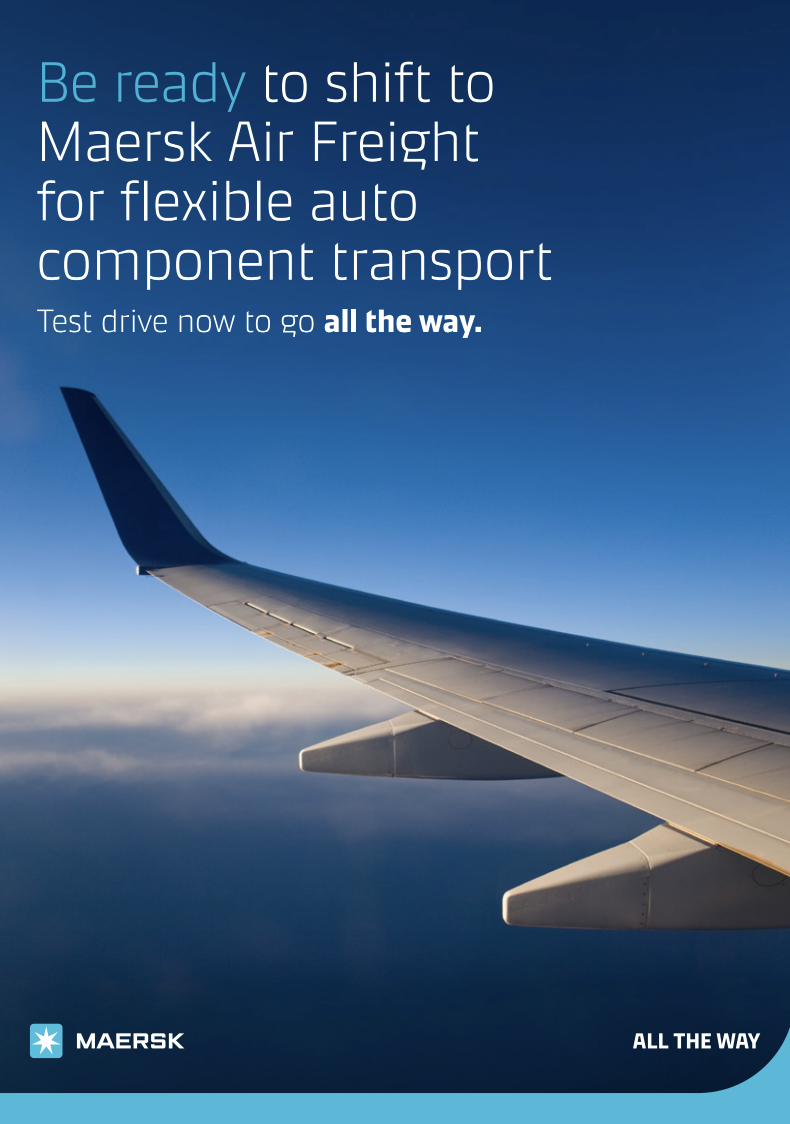
Be ready to shift to Maersk Air Freight for flexible auto component transport

Automotive supply chains often struggle with inflexible logistics and delays, causing costly disruptions and missed deadlines. These challenges can hinder growth and reliability. This whitepaper reveals how integrated air freight solutions can overcome these obstacles. Backed by Maersk’s global expertise and daily departures on high-demand routes, this whitepaper offers trusted, actionable guidance. In this whitepaper, you'll learn how to:
Whitepaper Transportation Shipping
Maersk

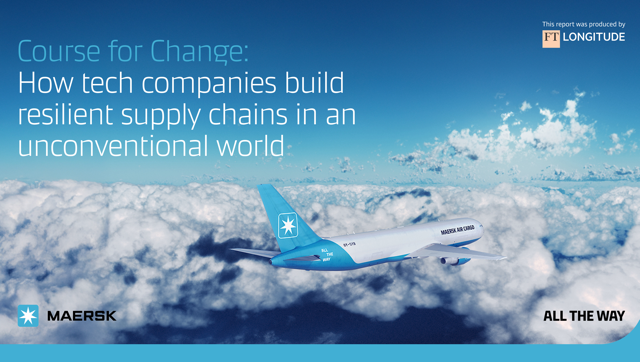
Course for Change: How tech companies build resilient supply chains

Geopolitical conflicts, the impact of climate change and the increased frequency of natural disasters are exacerbating risks. Evolving trade relationships further complicate the situation, adding to the possibility of shortages or increased costs of goods and components. To deliver despite these disruptions, technology companies must look at ways to rethink their supply chains and understand the ways to make them more resilient. 17% of the tech companies have emerged as the frontrunners because they anticipate problems, respond quicker and are more reliable on delivery. An insightful way forward is by looking at the strategies employed by resilient tech frontrunners and implementing these learnings in building supply chains that anticipate problems, are responsive to market demands and ensure uninterrupted movement of technological products and components worldwide. Fill in the form to download the report
Report Supply Chain Management
Maersk

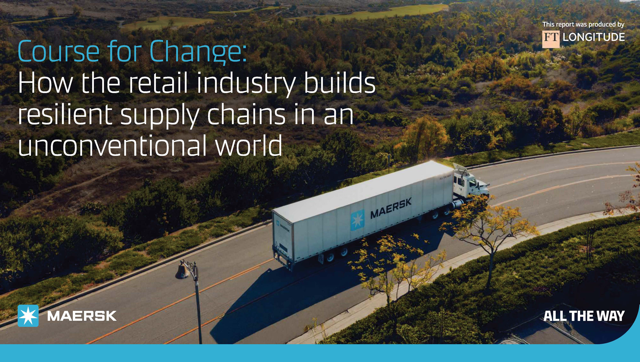
Course for change: How the retail industry builds resilient supply chains

Three pillars of supply chains that are fit for an unconventional world Geopolitical conflicts, the impact of climate change and the increased frequency of natural disasters are exacerbating risks. Evolving trade relationships further complicate the situation, adding to the possibility of shortages or increased costs of retail goods and raw materials. To deliver despite these disruptions, retailers must look at ways to rethink their supply chains and understand the ways to make them more resilient. For instance, 43% of retailers expect technology to become a "mission-critical" part of resilience within four to five years. An insightful way forward is by looking at the strategies employed by resilient retail frontrunners and implementing these learnings in building supply chains that anticipate problems, are responsive to market demands and ensure uninterrupted movement of retail products to markets globally. Fill in the form to download the report
Report Supply Chain Management
Maersk

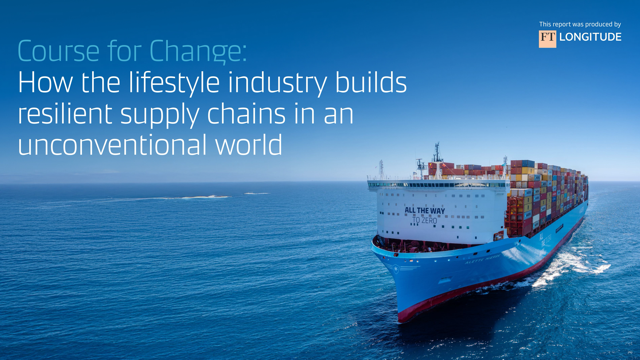
Course for change: How the lifestyle sector builds resilient supply chains

Geopolitical conflicts, the impact of climate change and the increased frequency of natural disasters are exacerbating risks. Evolving trade relationships further complicate the situation, adding to the possibility of shortages or increased costs of goods and components. To deliver despite these disruptions, lifestyle brands must look at ways to rethink their supply chains and understand the ways to make them more resilient. If we look closely at operations, supply chain disruption cost most lifestyle brands 4.06% of their revenue. For resilience leaders? Under 1%. How? An insightful way forward is by looking at the strategies employed by resilience frontrunners and implementing these learnings in building supply chains that anticipate problems, are responsive to market demands and ensure uninterrupted movement of lifestyle products. Fill in the form to download the report
Report Supply Chain Management
Maersk

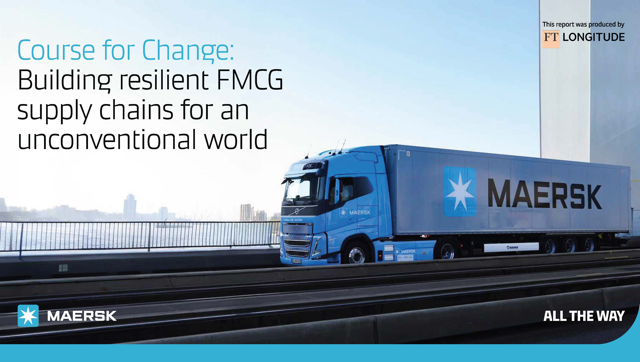
Course for Change: How the fast-moving consumer goods sector builds resilient supply chains

Geopolitical conflicts, the impact of climate change and the increased frequency of natural disasters are exacerbating risks. Evolving trade relationships further complicate the situation, adding to the possibility of shortages or increased costs of goods and components. To deliver despite these disruptions, FMCG brands must look at ways to rethink their supply chains and understand the ways to make them more resilient. 82% of fast-moving consumer goods businesses say collaboration drives supply chain resilience. But most don’t act on it, and that’s a costly gap. An insightful way forward is by looking at the strategies employed by resilience frontrunners and implementing these learnings in building supply chains that anticipates problems, are responsive to market demands and ensure uninterrupted movement of FMCG products to global shelves. Fill in the form to download the report
Report Supply Chain Management
Maersk

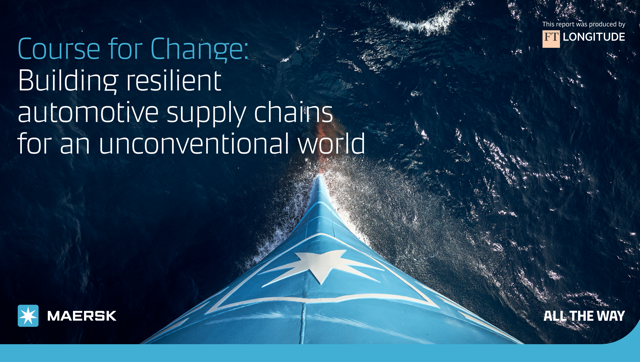
Course for change: How the automotive sector builds resilient supply chains

Geopolitical conflicts, the impact of climate change and the increased frequency of natural disasters are exacerbating risks. Evolving trade relationships further complicate the situation, adding to the possibility of shortages or increased costs of goods and components. To deliver despite these disruptions, automotive companies must look at ways to rethink their supply chains and understand the ways to make them more resilient. For instance, 36% of the automotive frontrunners saw less than 1% of loss by reducing dependency on single suppliers or regions. An insightful way forward is by looking at the strategies employed by resilient automotive frontrunners and implementing these learnings in building supply chains that anticipate problems, are responsive to market demands and ensure uninterrupted movement of automotive components to their destinations globally. Fill in the form to download the report
Report Supply Chain Management